
Fairy-Tale Form and Historical Truth
The Most Precious of CargoesThis flow traces how the book uses a fairy-tale voice to approach historical atrocity, then challenges readers to distinguish invented form from real suffering.
increasing Bearing strength in each event
 decreasing
Bearing strength in each eventdecreasingThe Familiar Opening
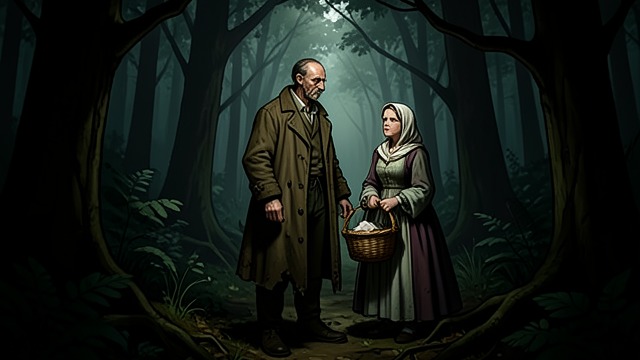
The Familiar Opening
A tale announced
The narrator begins with the familiar image of a poor woodcutter and his wife in a great forest. The voice immediately resists the sentimental logic of an old children’s tale.
Form set against history
Hunger, cold, and occupation enter the fairy-tale landscape. The book keeps the form of a fable while refusing to let its audience forget the war surrounding it.
A Forest of Gods and Monsters
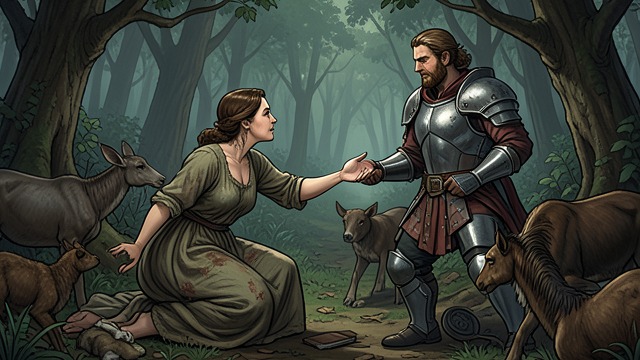
A Forest of Gods and Monsters
The fairy-tale world expands
The woman appeals to gods, sprites, and forest beings while searching for milk. The grove, the strange armed man, and the animals seem to belong to a magical story.
Material need remains
The child still needs food, and the woman must bargain and work. The story’s enchanted language does not remove the bodily conditions of hunger and danger.
Historical Names Surface
Historical Names Surface
Specific history enters the fable
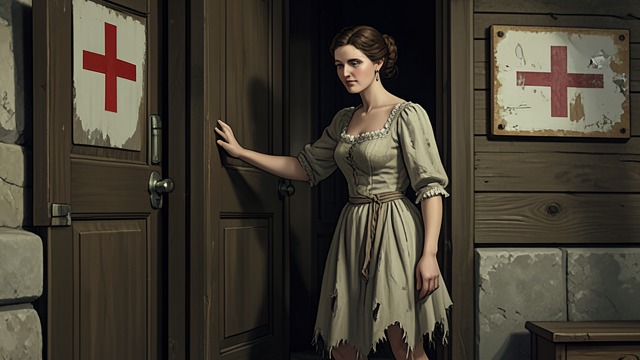
The narrative names Drancy, Pithiviers, Convoy 49, and the deportation to Poland. It describes the selection and murder of deportees rather than allowing the fairy-tale plot to hide the historical crime.
Fiction holds real losses
Dinah, Henri, and Rose belong to a fictional narrative, while the appendix points to actual deportees and the author’s family history. The juxtaposition refuses to make invention a substitute for evidence.
The Denial in the Epilogue
The Denial in the Epilogue
An impossible claim
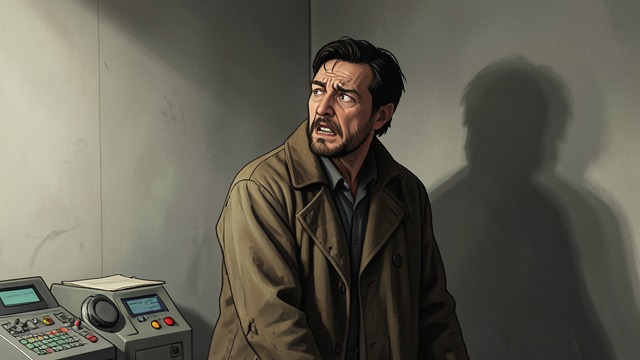
The narrator says that none of the story happened: no camps, trains, victims, hair, ashes, or searching families. The repeated denial is plainly not a correction of the historical record.
Denial used as accusation
By pretending to erase what readers have just witnessed, the ending exposes the violence of denial. The reader is made to hear how absurd and obscene such erasure would be.
The Grain of Truth
The Grain of Truth
A fictional act, a real history
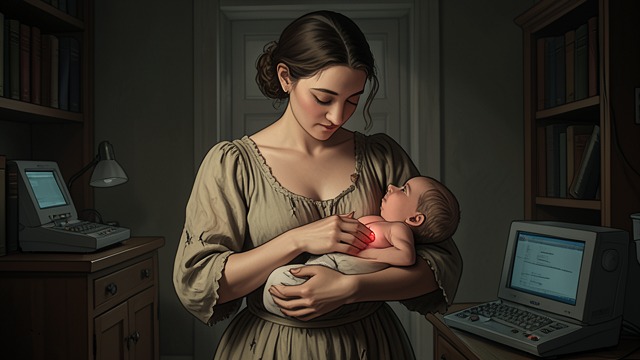
The epilogue identifies the thrown baby as the story’s one true thing, though the child and rescuing woman are fictional. The appendix then gives the reader documented transports, names, and dates.
Imagination as witness
The fable cannot replace historical records, but it can make loss intimate and legible. Its invented rescue holds attention on the people whom bureaucracy reduced to numbers.
At the beginning of the story
When the child reaches the forest
During the transport and camp episodes
At the end of the main narrative
In the final lines and appendix
